Chemical Cannabis Seeds
Looking for the best Chemical cannabis strains? You've come to the right place. Our collection features premium genetics known for their distinct chemical terpene profiles.
Quick Facts: Chemical Strains
Shop Chemical Strains
4 strains available
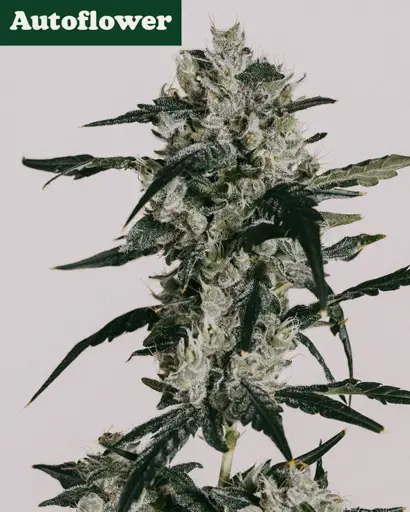
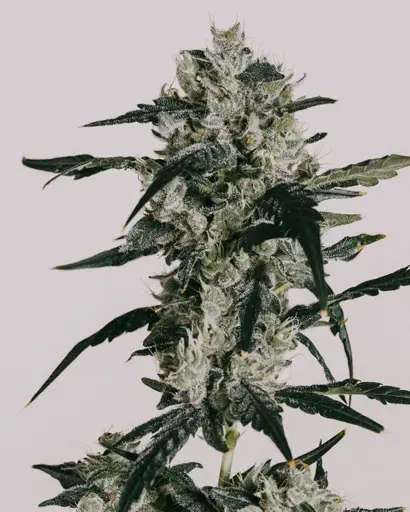
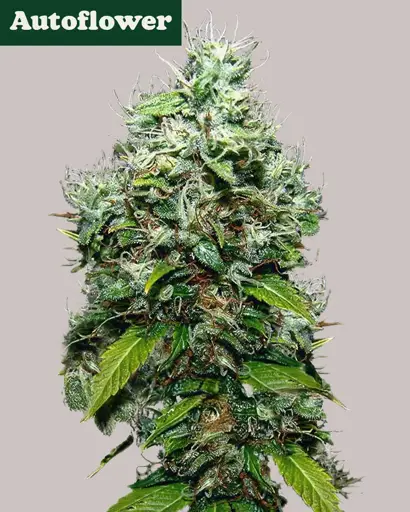
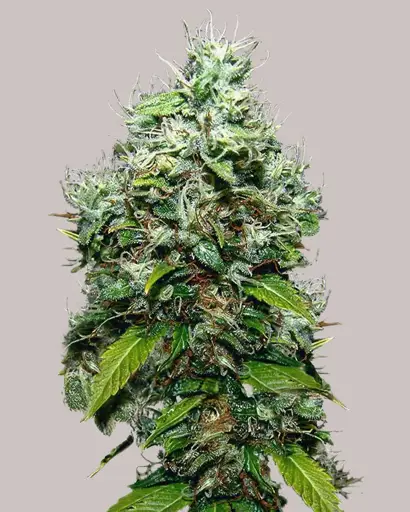
What makes cannabis taste like Chemical?
The flavor of cannabis is determined by terpenes, the aromatic compounds found in the resin glands of the plant. Strains with a dominant chemical profile are highly sought after for their unique sensory experience.
Beyond just taste, the "entourage effect" suggests that terpenes may interact with cannabinoids like THC and CBD to modify the effects of the strain. This makes chemical strains not just a treat for the palate, but a potentially unique psychoactive experience as well.
Frequently Asked Questions
What causes the chemical taste in cannabis?
The distinct chemical aroma is primarily caused by the presence of **a complex blend of Myrcene, Limonene, and Caryophyllene**. These organic compounds (terpenes) are secreted in the trichomes alongside cannabinoids like THC. When cured properly, these volatile oils oxidize to create the specific flavor profile.
Are Chemical strains more potent?
Flavor does not directly dictate potency, but the "Entourage Effect" suggests that terpenes like a can modulate how THC interacts with your endocannabinoid system. This means chemical strains may feel "heavier" or "more cerebral" depending on the specific terpene-cannabinoid synergy, rather than just raw THC percentage.
How do I maximize the chemical flavor when growing?
To enhance the chemical profile, focus on the final weeks of flowering. Drop temperatures at night to preserve volatile terpenes, and ensure a slow, 14-day dry and cure process. Rushing the drying process is the #1 reason growers lose the distinct chemical smell.
What are the medical benefits of Chemical strains?
The terpenes associated with chemical (a complex blend of Myrcene, Limonene, and Caryophyllene) are often studied for potential therapeutic properties. For example, Myrcene is known for sedation, while Limonene is studied for anxiety relief. Users often choose chemical varieties for symptom-specific relief based on this terpene profile.